THE CARD
Cross out what doesn't apply
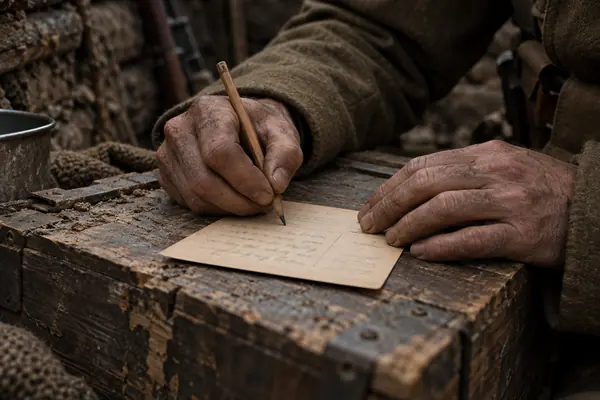
The Field Service Post Card (Army Form A2042) carried printed lines such as "I am quite well" and "I have been admitted into hospital". Only the date and signature could be added.
Ways to write home
 doodlepostcards
POST FROM THE FRONT
A2042 Army Form
"I am quite well." Sometimes that was all a family heard.
In the First World War, soldiers could send home a printed card of ready-made sentences, crossing out the ones that did not apply. It was free and fast, and anything else written on it meant the card would be destroyed.
Updated
Ways to write homeTHE SHORT ANSWER
Telephones were still new and the telegraph
was kept for urgent messages, so letters mattered.
THE CARD
The Field Service Post Card (Army Form A2042) carried printed lines such as "I am quite well" and "I have been admitted into hospital". Only the date and signature could be added.
Ways to write homeTHE SORTING
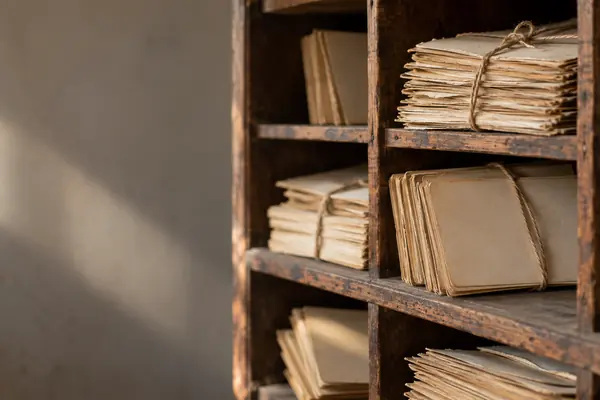
The Post Office built the Home Depot, a huge temporary sorting office in London. At its peak it handled 12 million letters and a million parcels in a week.
See the numbersTHE CENSOR
Ordinary letters and postcards went through censoring so nothing useful reached the enemy. Soldiers could sign an Honour Envelope to promise they had written nothing sensitive.
How mail reached the trenchesWAYS TO WRITE HOME
Soldiers had a few ways to send word home. The bar shows how freely each let a soldier say what he wanted.
From The Postal Museum's First World War learning resource and gallery guide, the 48th Highlanders Museum and Lisburn Museum's Field Service Post Card notes.
TWO NUMBERS WORTH KNOWING
One number from a London sorting office,
one from the whole war.
12 million
Letters handled in a week at its peak
Plus a million parcels a week. The Home Depot employed 2,500 staff, mostly women, and at the height of the war sorted letters for over 8,000 units in France and Belgium.
HOME DEPOT · REGENT'S PARK
114 million
Estimated parcels sent during the war
Parcels of socks, food and other comforts meant a great deal to soldiers. It was also said that the Army Postal Service sent over two billion letters.
ARMY POSTAL SERVICE · 1914–1918
By December 1914, The Postal Museum says, soldiers could expect to receive mail from home within two days of it being sent.
FOUND ONE IN A FAMILY BOX?

These cards often turn up among family papers. The form itself tells you what to look for.
Only the address was allowed on this side. Look for the printed form number, A.F.A. 2042, and the words Field Service Post Card.
On the back, the sentences left standing are the message. A soldier in hospital could keep "sick" or "wounded" and "am going on well".
The card asks for the date of any letter, telegram or parcel received. Those dates can be matched with other family letters.
"Letter follows at first opportunity" promised more news. A longer letter written soon after may survive too.
HOW MAIL REACHED THE TRENCHES
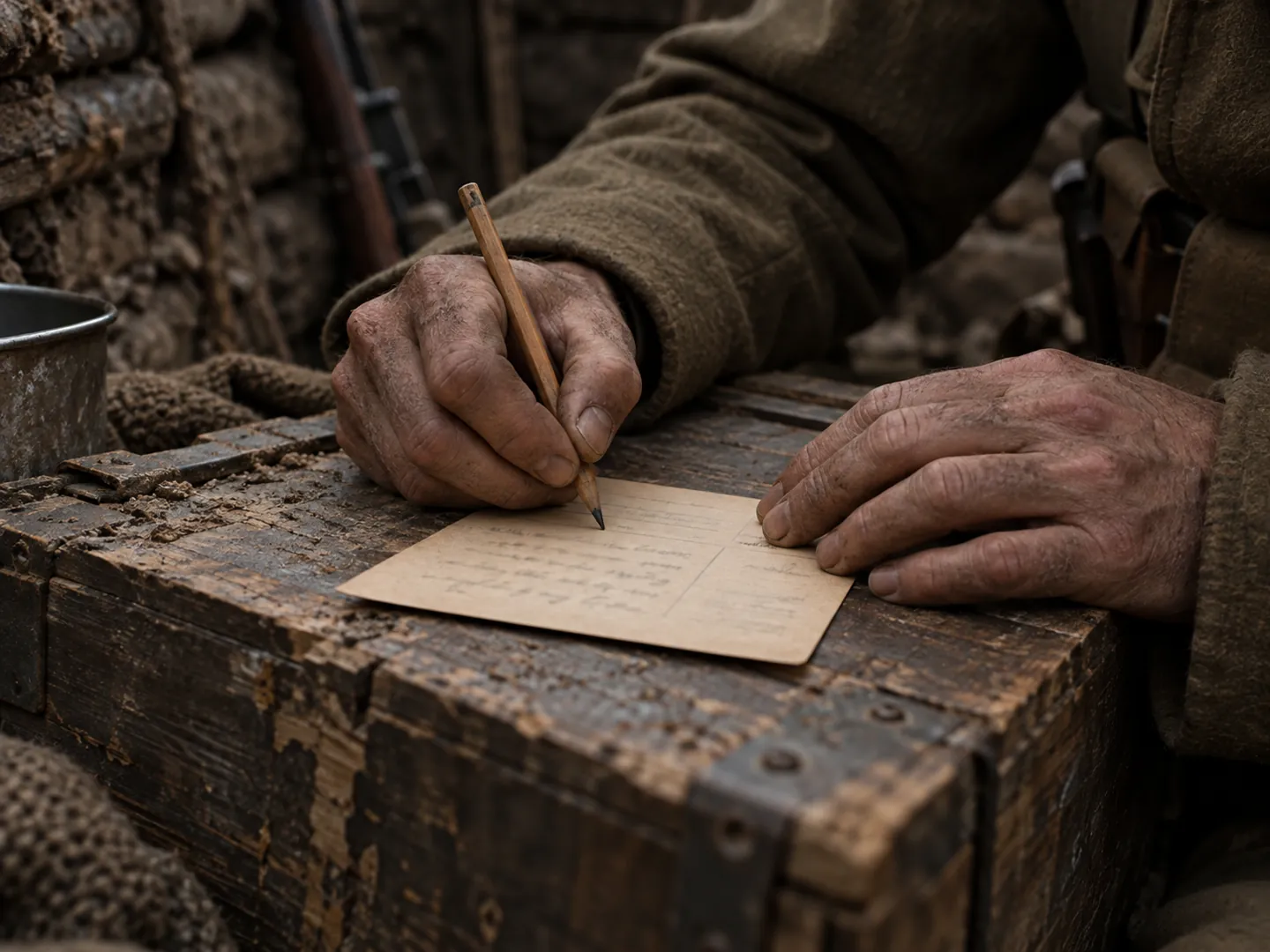
Mail was sorted at the Home Depot in Regent's Park, taken by train to the south coast of England and shipped across the Channel to French ports. It was then sorted into smaller and smaller bundles for field post offices.
At the front, letters were delivered by hand. Newspapers went by post too: some arrived on the day of publication and reached the trenches the following day.
Questions
A printed card, Army Form A2042, with ready-made sentences such as "I am quite well". Soldiers crossed out the lines that did not apply and added only the date and their signature.
The card was designed for speedy delivery without the lengthy censoring other mail needed. The card warned that if anything else was added it would be destroyed.
Field Service Cards could be sent free, and a letter marked "On Active Service" was delivered free by the Post Office.
Censorship of letters and telegrams happened on a large scale at home, in the field and in government offices. The Postal Museum says censoring on the Home Front was mostly done by women.
By December 1914 soldiers could expect mail from home within two days. Field Service Post Cards sometimes arrived within days.
Sources
ABOUT THIS NAME
doodlepostcards.com is part of the DoodleSale portfolio. It isn't in an auction right now, but you can ask about leasing it.